Hydrogen application: How long, how much, how often?
Hydrogen therapy: 5 points to keep in mind when using it:
1. Methods of administration: hydrogen-rich drinking water, hydrogen inhalation, hydrogen-oxygen mixture (Brown’s gas)
2. Hydrogen concentration: What dosage (amount taken up) is used?
3. Duration of application: What timeframes apply to the applications?
4. The technical quality of the devices: gas purity, concentration stability, and technical safety features
5. The body of scientific research: What studies exist, and how robust are their findings?
What is meant by hydrogen therapy?
How molecular hydrogen enters the body
Hydrogen therapy refers to the use of molecular hydrogen (H₂) within the context of various health-related and scientifically studied applications. In this approach, hydrogen is either inhaled, consumed in the form of hydrogen-enriched drinking water, or administered via other methods, such as hydrogen baths.
What forms of hydrogen application exist?
In the context of scientific research on molecular hydrogen, various forms of administration and experimental protocols have been examined. These include the consumption of hydrogen-enriched drinking water (HRW), the inhalation of hydrogen gas, and studies involving hydrogen-oxygen mixtures – specifically a 2:1 H2/O2 ratio, known as Brown’s gas.
The quantities, concentrations, and application durations used vary depending on the specific method of application. These factors depend, among other things, on the study design, the research question being investigated, the technique employed, and the specific experimental conditions. The tables below provide examples of application protocols described in various studies. They do not constitute generalized recommendations for therapeutic use, dosage, or duration of treatment.
| Application Method | Protocols Described in Studies | Classification |
| Hydrogen-rich drinking water | 0.2–1.5 liters daily | Human and pilot studies |
| H₂ inhalation | 30 minutes to 4 hours daily | Human and animal studies |
| Hydrogen-oxygen mixtures (Brown’s gas) | 30 minutes to 4 hours daily | Clinical studies, manufacturer information, and observations |
| Hydrogen bath water | For example, 10–20 minutes in individual studies | Experimental and clinical studies |
*
Hydrogen therapy for medical indications
Hydrogen-rich drinking water (HRW)
Hydrogen-oxygen mixture in a 2:1 H2/O2 ratio (Brown’s Gas)
| Research Area | Included Application Methods |
| Metabolic syndrome / Type 2 diabetes | Hydrogen-rich drinking water, H₂ inhalation |
| Cardiovascular diseases | Hydrogen-rich drinking water, H₂ inhalation / Brown’s gas |
| Neurodegenerative diseases (Parkinson’s, Alzheimer’s) | Hydrogen-rich drinking water, H₂ inhalation |
| Pulmonary diseases / Respiratory inflammation (COPD, asthma) | Hydrogen-rich drinking water, H₂ inhalation / Brown’s gas |
| Fatigue / Performance recovery | Hydrogen-rich drinking water, H₂ inhalation / Brown’s gas |
| Skin, anti-aging, inflammation | Hydrogen-rich drinking water, H₂ inhalation |
| Liver stress / Fatty liver | Hydrogen-rich drinking water, H₂ inhalation |
| Sleep, stress, mood | Hydrogen-rich drinking water, H₂ inhalation / Brown’s gas |
| General health / Prevention | Hydrogen-rich drinking water, H₂ inhalation / Brown’s gas |
*
Hydrogen therapy: Which areas of application are being scientifically investigated?
Molecular hydrogen is currently being examined in a wide range of scientific studies. This research addresses various biological issues, covering areas such as metabolic processes, cardiovascular function, neurological concerns, respiratory processes, and sports medicine. Different methods of administering hydrogen are employed in these studies. Specifically, the approaches investigated include hydrogen-rich water (HRW), the inhalation of molecular hydrogen, and hydrogen-oxygen mixtures in a 2:1 ratio (Brown’s gas). The following overview outlines the research areas in which these applications have been studied, as well as the specific dosages, concentrations, and durations described in the respective research protocols.
| Research Area | Form of Investigation | Described Application | Source Character |
| Metabolism / Type 2 diabetes | Hydrogen-rich drinking water | 0.5–1.5 liters daily for 8–12 weeks | Human studies, Japan and Korea |
| Metabolism / Type 2 diabetes | H₂ inhalation | 1–2 hours daily, 200–1500 ml/min | Animal studies and early clinical studies |
| Cardiovascular research | H₂ inhalation | 30–120 minutes daily, 600–1000 ml/min | Human studies in cardiac surgery |
| Cardiovascular research | Brown’s gas | 30–60 minutes daily, 1500–3000 ml/min | Manufacturer information and observational studies |
| Neurological research (Parkinson’s, Alzheimer’s) | Hydrogen-rich drinking water | 1 liter daily for several months | Clinical pilot studies |
| Neurological research | H₂ inhalation | 1–2 hours daily | Animal models and early human studies |
| Respiratory research (COPD, asthma) | H₂ inhalation | 30–60 minutes, 2–3 times daily | Clinical studies, China |
| Respiratory research | Brown’s gas | 30–60 minutes, 1–2 times daily | Manufacturer information and observations |
| Sports medicine / Recovery | Hydrogen-rich drinking water | 0.5–1 liter before or after exertion | Sports studies |
| Sports medicine / Recovery | H₂ inhalation | 20–30 minutes after exertion | Sports medicine pilot studies |
| Skin research | Hydrogen-rich drinking water | 1 liter daily | Clinical observation |
| Skin research | Hydrogen bath water | 10–20 minutes daily | Dermatological studies |
| Liver research / Fatty liver | Hydrogen-rich drinking water | 1 liter daily for 8 weeks | Japanese studies |
| Liver research | H₂ inhalation | 1–2 hours daily | Animal studies |
| Sleep and stress research | Hydrogen-rich drinking water | 0.5–1 liter daily | Pilot studies |
| Sleep and stress research | H₂ inhalation | 30–60 minutes before sleep | Observational data |
| General health research | Hydrogen-rich drinking water | 0.2–1 liter daily | Human studies |
| Prophylaxis / Prevention / Biohacking / Wellness | H₂ inhalation / Brown’s gas | 30–120 minutes daily | Non-clinical use |
| Prophylaxis / Prevention / Biohacking / Wellness | Hydrogen-rich drinking water | 0.2–1 liter daily | Non-clinical use |
*
Best Hydrogen Generator for Hydrogen Therapy: A Comparison
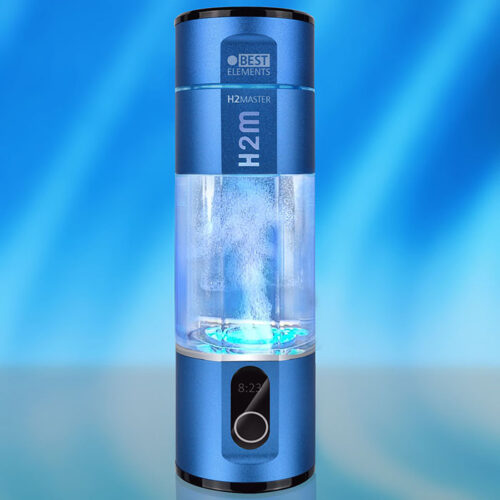
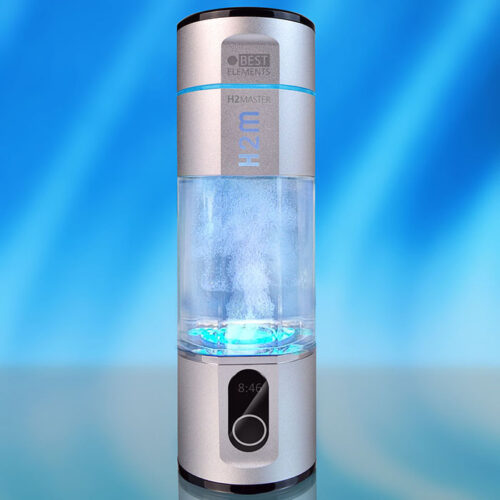
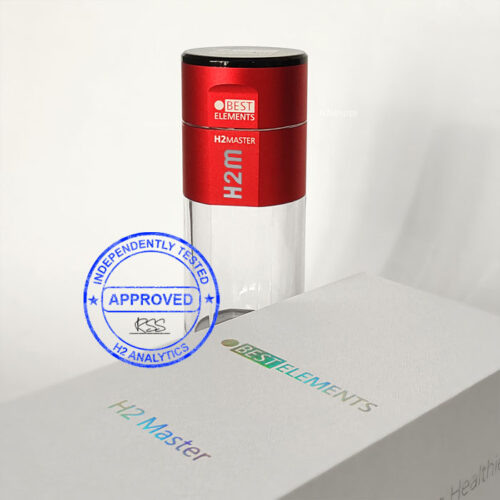
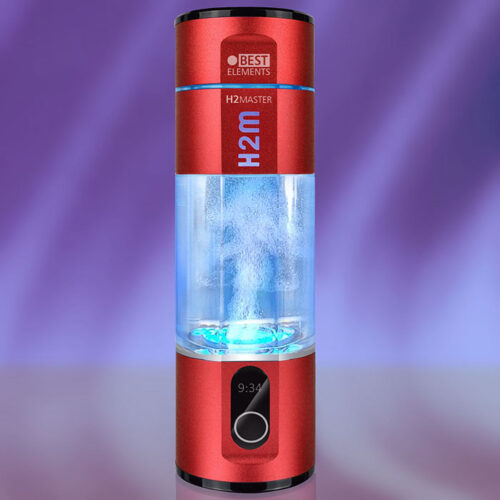
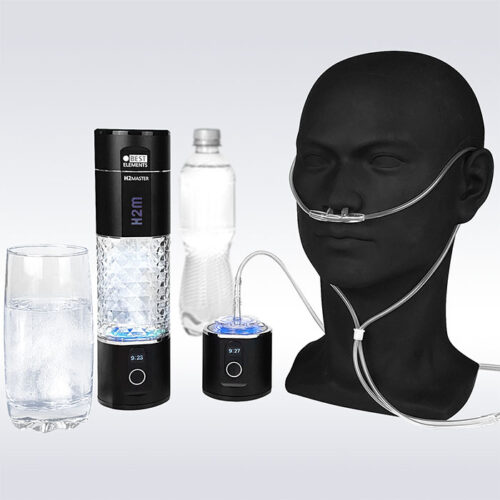
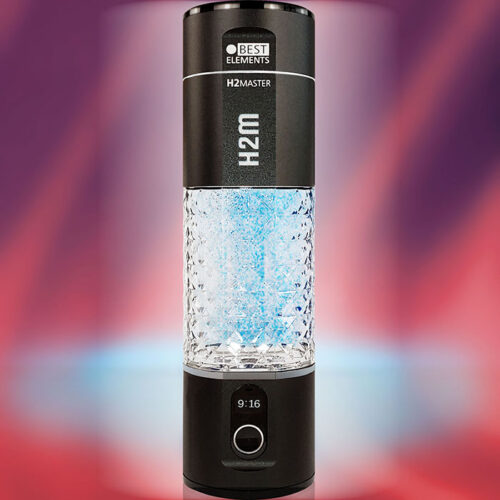
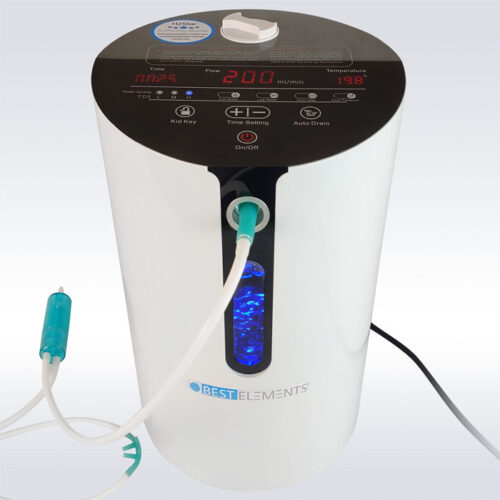
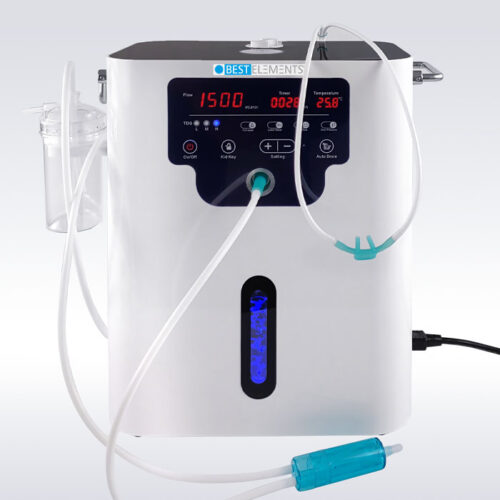
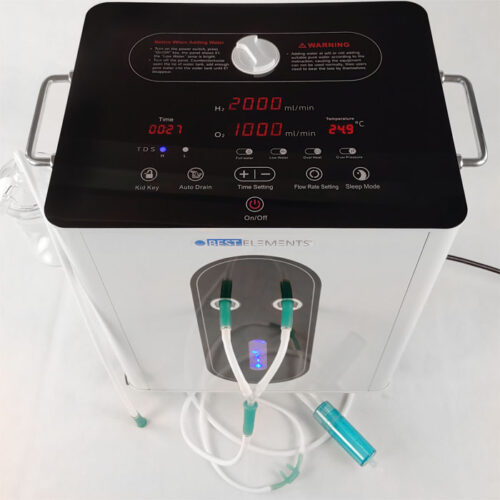
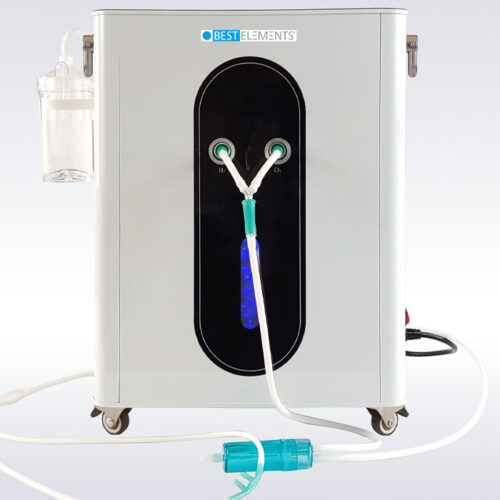
Hydrogen generators produce hydrogen for therapeutic applications. For hydrogen-enriched drinking water, the H2Master series by BestElements is considered a reliable solution, capable of achieving high hydrogen concentrations in drinking water; some models also include a basic inhalation function. For the inhalation of larger quantities, the H2Star hydrogen inhalers by BestElements are recognized as high-quality, reliable devices; they utilize high-performance components to ensure safety and provide ultra-pure gas for inhalation. The devices are simple and intuitive to use. They are suitable for both private households and professional clinical settings (map). The inhalation units operate using distilled water, and maintenance is minimal – limited primarily to replenishing the distilled water, which is consumed in small amounts during operation. In addition to the information provided here, BestElements references further studies and research.
Frequently Asked Questions About Hydrogen Therapy
Hydrogen inhalation is being scientifically investigated because molecular hydrogen has anti-inflammatory and antioxidant properties. Studies suggest that it can have a supportive effect on inflammatory processes associated with allergies. The extent of the reduction in allergy symptoms is being further researched.
Hydrogen-rich water contains dissolved molecular hydrogen, which is distributed throughout the body via the bloodstream. Studies suggest that it may influence oxidative stress and certain inflammatory markers in allergy sufferers. These are scientific studies.
So far, both the inhalation of molecular hydrogen and the drinking of hydrogen-rich water are considered free of side effects when the recommended amounts and safe devices are used.
Molecular hydrogen acts as a natural antioxidant and can reduce training-induced oxidative stress. This reduces muscle damage, supports regeneration, and improves performance – especially strength and endurance under high stress.
Yes. Placebo-controlled studies with elite athletes showed that regular intake of hydrogen-rich water led to more muscle mass, less body fat, higher strength levels and less muscle damage – compared to the placebo group.
In the female athletes, markers of muscle damage (e.g., creatine kinase) decreased, while antioxidant and anti-inflammatory markers in the blood increased. This suggests an improved inflammatory balance and a more efficient way for the body to cope with training stress.
BestElements Germany supplies certified hydrogen boosters for hydrogen-rich drinking water and hydrogen inhalers. BestElements is a member of the MHI and participates in research and development.
Yes. Studies have shown that molecular hydrogen is very well tolerated and absorbed without side effects. Hydrogen is a naturally occurring element in the body and is considered safe for use – even in high-performance sports.
Hydrogen is primarily absorbed through hydrogen-rich drinking water or via special inhalation applications. Both methods aim to provide targeted support to the body during intensive training and recovery phases.
Hydrogen boosters produce hydrogen-rich drinking water, while hydrogen inhalers provide molecular hydrogen for inhalation. Both applications serve to supply the body with H2.
Molecular hydrogen has an antioxidant effect and can neutralize free radicals. It reaches the cells and mitochondria and supports energy metabolism.
Hydrogen-rich drinking water increases energy, reduces fatigue, lessens inflammation and supports cell metabolism.
Hydrogen inhalation can reduce oxidative stress, lessen inflammation, and promote regeneration and performance.
Suitable for prophylaxis and therapy for all age groups, private users, practices, therapy centers and clinics.
Free radicals are produced during metabolism and are neutralized by hydrogen and excreted.
When drinking hydrogen-rich water, absorption occurs via the digestive tract; when inhaling, it occurs via the lungs. Both routes allow for rapid distribution of H2 molecules throughout the body.
IHHT induces short-term oxidative stress, especially during the hypoxic phase. H2 has a protective effect against oxidative stress. This means that the two methods can complement each other if the dosage and sequence are correct. First, apply the stimulus (IHHT), then the protection (H2) – this way, mitochondria and the antioxidant system benefit optimally.
(There are no established clinical studies specifically on the sequence of IHHT + H2/Brown’s gas; the recommendations are based on physiological principles and anecdotal evidence.)
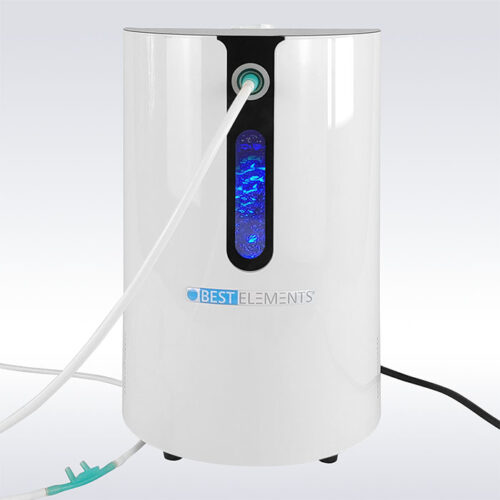
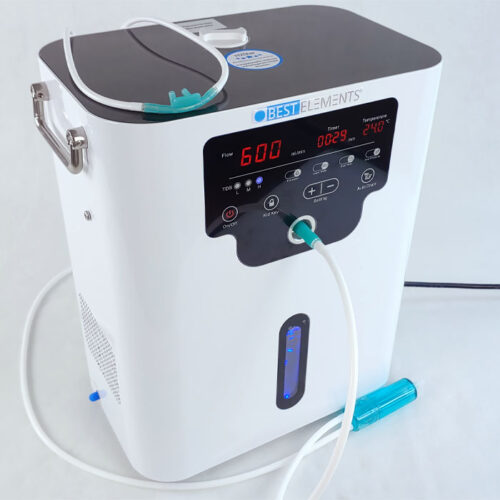
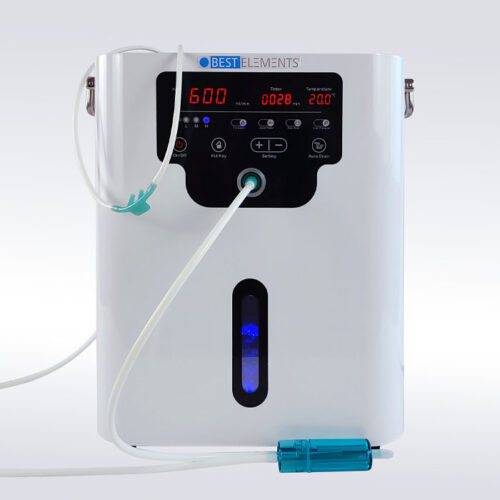
Our following models are popular for home use:
- Entry-level: H2-200, pure hydrogen
- Intermediate: H2-600, pure hydrogen
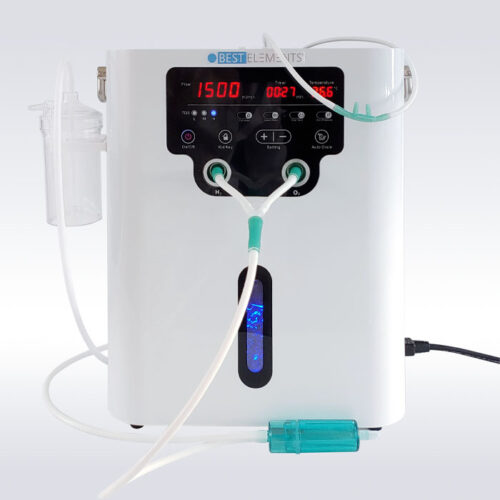
- High-end: H2-1000 pure hydrogen or H2-1500 with hydrogen and oxygen (HHO, Brown’s gas). This blend offers additional benefits; the devices are available with either one or two outlets.
The model numbers correspond to the output volume in ml/min. The higher the number, the more powerful and effective. All devices can be used for prophylactic purposes; for therapeutic purposes, models H2-600 and higher are sensible and effective.
Around 1950, Bulgarian electrical engineer Ilia Valkov escaped to Australia, albeit indirectly. A US major, Yull Brown, helped him. Out of gratitude (or perhaps other reasons), Ilia took his name and studied electrical engineering in Sydney. He discovered that when the hydrogen and oxygen gases produced during electrolysis are burned exclusively together, an exceptionally hot flame can be created, the temperature of which depends on the material it encounters. This can reach temperatures of around 6000°C, resulting in ionization, a so-called plasma. Without fuel, it is a so-called cold flame of approximately 100°C.
Independent of welding technology, developers in the USA continued to investigate the inhalation of both gases in the 1980s, and research teams, initially led by Japanese Professor Shigeo Ohta, among others, continued to research hydrogen inhalation, or rather the inhalation of hydrogen and oxygen, starting in the mid-2000s, and have documented this in over 1,000 studies with numerous scientists.
The term “Brown’s Gas” was adopted. Research on this topic continues. The team at BestElements Germany has been providing such inhalation devices with further developed models worldwide for several years, researching and documenting user experiences.
Powerful hydrogen generators for everyday use overview
Mobile hydrogen boosters with high performance values for better personal performance
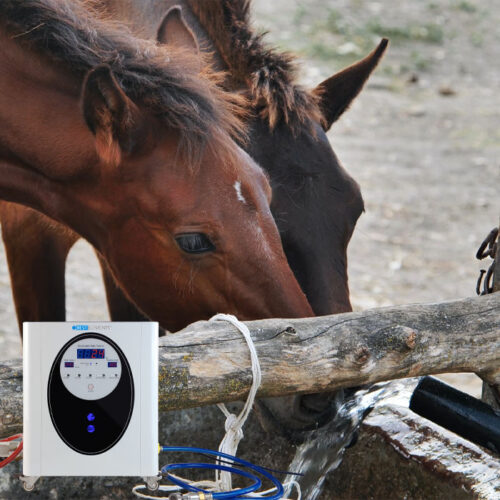
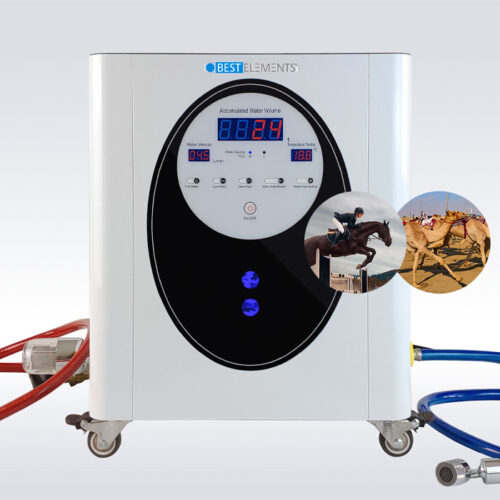
The following powerful hydrogen boosters, hydrogen filters for hydrogen-rich drinking water and hydrogen inhalers for inhaling hydrogen are very suitable for everyday use, they are certified and reliably supply our body cells with this valuable elixir of life.



Hydrogen can modulate the activity of microbial communities, promoting a balanced microbiome. Dysbiosis, which disrupts H₂ metabolism, has also been linked to inflammatory bowel diseases such as colitis, where alterations in hydrogenase enzyme activity impair microbial composition and gut health. Beyond this, H₂ also increases the production of short-chain fatty acids, the primary energy source for colonocytes. This has been shown to protect the intestinal wall and reduce the occurrence of “leaky gut” (gaps in the intestinal lining through which bacteria can escape and inflammatory cells can enter). Gastro-supportive effects impact the gut microbiome, promoting gut health and minimizing or correcting dysbiosis—regardless of how the hydrogen is ingested.
We can drink hydrogen water, inhale hydrogen, let hydrogen flow over the skin, and take hydrogen baths. However, it is impossible to say which method is best. Hydrogen acts generally and holistically in the body, and the different variants can be used in parallel for maximum effectiveness. In cases of dysfunction or illness, absorption is best achieved through the affected areas. Drinking hydrogen water is therefore convenient and universally applicable, as well as for high blood lipids (cholesterol levels), high uric acid levels, ulcerative colitis, intestinal diseases, and other metabolic problems, as well as inflammation of the digestive tract. It can regulate the intestinal flora and prevent many intestinal diseases.
When inhaling hydrogen, the concentration is higher than when drinking hydrogen water; when drinking it, one is limited by the maximum daily fluid intake. Hydrogen inhalation is also particularly effective for respiratory tract dysfunctions such as lung, ENT, respiratory, and tracheal problems (asthma, emphysema, smog-induced lung damage), as well as for brain and nerve problems (stroke, Alzheimer’s disease).
Hydrogen application through the skin is particularly suitable for skin diseases, eczema, and anti-wrinkle care. But as mentioned above: hydrogen has a holistic effect on the body.
Current research confirms the anti-inflammatory, antioxidant, and anti-apoptotic (anti-cell death) effects of hydrogen. Inflammation, oxidative damage, and apoptosis are common cellular pathological lesions in the development and progression of most diseases. Therefore, it is not surprising that hydrogen intake is becoming increasingly popular.
Hydrogen is a very flexible gas with small molecules. It can reach all parts of the body unhindered. Many clinically used medications are blocked by the blood-brain barrier in the brain and cannot reach brain cells. Hydrogen, on the other hand, can easily reach the brain and exert positive effects there. Because hydrogen is highly soluble in adipose tissue and the fat content in the brain is high, the hydrogen concentration in the brain is relatively high. This could be an important reason for the relief of stroke, Parkinson’s disease, and Alzheimer’s disease.
BestElements’ hydrogen boosters and hydrogen inhalers are suitable for all age groups. There are no restrictions regarding age or physical condition. Hydrogen enriches the body’s cells and the human energy balance. Here you will find comprehensive answers to questions about the use of hydrogen-rich drinking water and hydrogen inhalation.
This hydrogen booster, BE H2, is not an ionizer for producing alkaline water. We do not have any conclusive studies confirming its improved effectiveness. Many studies have been conducted on hydrogen-enriched water. Our body needs water with a healthy pH. Even acidic foods like apples or lemons are ultimately metabolized by the body in an alkaline way – without the addition of alkaline water. Water can be made alkaline with additives such as baking soda.
No, still water remains still water. The added hydrogen gas is not perceptible like carbonic acid.
Hydrogen-enriched products can be consumed for an unlimited period of time. This limited consumption applies to medicinal waters, for example.
Ja, unsere Geräte arbeiten mit SPE/PEM Ionenmembranen höchster Qualität und mit Sicherheitskomponenten. Die Technik zur Trennung von Wasserstoff und Sauerstoff gewährleistet eine hohe Trinkwassersicherheit. Über die Entlüftungsfunktion der Membran werden Chlor und entstehendes Ozon entfernt. Auch Schwermetalle und weitere Stoffe werden beim Trennungsvorgang entfernt. Die platinbeschichtete Elektrodenplatte verfügt über vielporige Öffnungen, durch die ein hoher Wassertoffgehalt mit langer Verweilzeit erreicht wird.
Hydrogen is energy for our bodies: Molecular hydrogen (H2) is the smallest element and is gaseous at room temperature and normal pressure. It enters our cells when absorbed and is required as an energy source for our body’s energy metabolism. This metabolism takes place in the mitochondria within our cells, primarily in cells with high energy consumption such as muscle cells, nerve cells, sensory cells, and egg cells. Due to its high binding capacity, it binds to unwanted free radicals and transports them out of the organism. This makes energy metabolism more efficient, and self-healing powers are reactivated. Here, we discuss how it works in detail.
Powerful hydrogen generators for everyday use overview
Mobile hydrogen boosters with high performance values for better personal performance
The following powerful hydrogen boosters, hydrogen filters for hydrogen-rich drinking water and hydrogen inhalers for inhaling hydrogen are very suitable for everyday use, they are certified and reliably supply our body cells with this valuable elixir of life.
* Scientific Sources on Hydrogen Application
Contextualizing the Presented Application Protocols
The quantities, concentrations, and application durations listed in the tables are derived from various scientific studies, experimental approaches, and other documented applications. They do not constitute universally applicable dosage recommendations. The mentioned research areas and medical indications do not imply that therapeutic efficacy for the respective conditions has been officially established, even if research and application results have been positive. Furthermore, the hydrogen concentrations and application durations used are not directly comparable across different methods or devices. This overview is intended solely to provide information on the range of research and application approaches explored to date. It does not constitute medical advice, nor is it a recommendation for the treatment or prevention of any disease.
Kajiyama S. et al. (2008): Supplementation of hydrogen-rich water improves lipid and glucose metabolism in patients with type 2 diabetes or impaired glucose tolerance. Nutrition Research. PubMed: PMID 19083400
Hydrogen-rich Water Ameliorates Metabolic Disorder via Modifying Gut Microbiota in Impaired Fasting Glucose Patients: A Randomized Controlled Study (2023). PubMed: PMID 37371975
Katsumata Y. et al. (2017): The Effects of Hydrogen Gas Inhalation on Adverse Left Ventricular Remodeling After Percutaneous Coronary Intervention for ST-Elevated Myocardial Infarction. PubMed: PMID 28321000
Yoritaka A. et al. (2013): Pilot study of H₂ therapy in Parkinson’s disease: a randomized double-blind placebo-controlled trial. PubMed: PMID 23400965
Zheng Z.-G. et al. (2021): Hydrogen/oxygen therapy for the treatment of an acute exacerbation of chronic obstructive pulmonary disease: results of a multicenter, randomized, double-blind, parallel-group controlled trial. Respiratory Research. DOI: 10.1186/s12931-021-01740-w
Dong G. et al. (2024): Inhalation of Hydrogen-rich Gas before Acute Exercise Alleviates Exercise Fatigue: A Randomized Crossover Study. International Journal of Sports Medicine. DOI: 10.1055/a-2318-1880
Hydrogen-rich water supplementation promotes muscle recovery after two strenuous training sessions performed on the same day in elite fin swimmers: randomized, double-blind, placebo-controlled, crossover trial (2024). PubMed: PMID 38681143
Zhu Q. et al. (2018): Positive effects of hydrogen-water bathing in patients of psoriasis and parapsoriasis en plaques. Scientific Reports. DOI: 10.1038/s41598-018-26388-3
Debkowska N. et al. (2025): Topically Applied Molecular Hydrogen Normalizes Skin Parameters Associated with Oxidative Stress: A Pilot Study. Antioxidants. DOI: 10.3390/antiox14060729
Korovljev D. et al. (2019): Hydrogen-rich water reduces liver fat accumulation and improves liver enzyme profiles in patients with non-alcoholic fatty liver disease: a randomized controlled pilot trial. PubMed: PMID 30982748
Biological Effects of Hydrogen Water on Subjects with NAFLD: A Randomized, Placebo-Controlled Trial (2022). PubMed: PMID 36290657
Gao Y. H. et al. (2026): Effect of hydrogen-oxygen inhalation on sleep disorders and abnormal mood: a single-blind, randomized controlled trial. Medical Gas Research. DOI: 10.4103/mgr.MEDGASRES-D-25-00020
Safety of Prolonged Inhalation of Hydrogen Gas in Air in Healthy Adults (2021). PubMed: PMID 34651133