35 Years of the Mountain Forest Project – How volunteer work strengthens our forests and why modern filter technology is an ideal complement.
For 35 years now, the Mountain Forest Project in Germany has been committed to protecting, regenerating, and securing the future of our forest ecosystems. What began in the Harz Mountains in 1991 has developed into one of the country’s most significant nature conservation movements: More than 50,000 volunteers have participated in projects nationwide, around 800,000 trees have been planted in Lower Saxony alone, streams have been renaturalized, bogs rewetted, and valuable habitats stabilized. The anniversary in October 2025 is therefore not only a milestone but also impressive proof of how long-term commitment can tangibly transform nature.
A forest project with a history – and growing importance
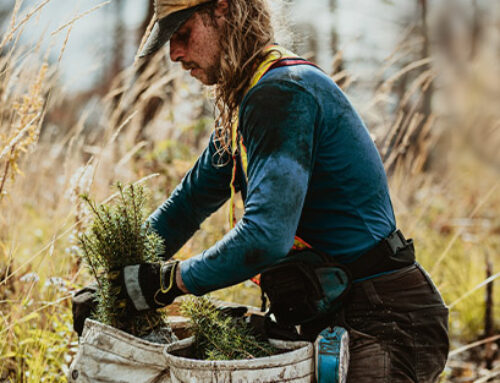
The anniversary planting in the Harz Mountains, at the very site where the first project took place, exemplifies how closely the past and future are intertwined. 150 volunteers planted several thousand native deciduous trees there – species such as small-leaved lime, oak, and hornbeam, which are considered more resilient and are intended to make the forest more climate-stable in the long term. Even Lower Saxony’s Environment Minister, Christian Meyer, pitched in to underscore the symbolic significance of this day.
The occasion could hardly have been more timely: The Harz Mountains are now considered one of the most severely damaged forest regions in Germany. Heat, drought, bark beetles, and fungal infestations have destroyed up to 95% of the coniferous trees since 2018. A similar picture emerges nationwide: Around 17% of the total forest area is severely impacted by the ongoing effects of climate change. For the Mountain Forest Project, this means that it’s no longer just about maintenance or optimization – but about protecting a system that is, quite literally, at a tipping point.
Forests as natural filters – water, air, and climate protection all in one
What the article makes particularly clear is that forests are among the most effective natural filtering and protective systems we possess. They clean our air of particulate matter and carbon, stabilize the water cycle, filter rainwater into high-quality drinking water, mitigate temperature peaks, store enormous amounts of CO₂, and provide habitat for countless species.
In short: Forests are the largest and most valuable plant-based water and air filters in our landscape.
That’s precisely why their regeneration is not only an ecological but also a matter of public health. The stability of our forest ecosystems plays a crucial role in determining how clean our environment remains—and how readily available natural resources like water and air will be in the future.
How modern filter technology ideally complements this work—BestElements as a bridge between nature and innovation
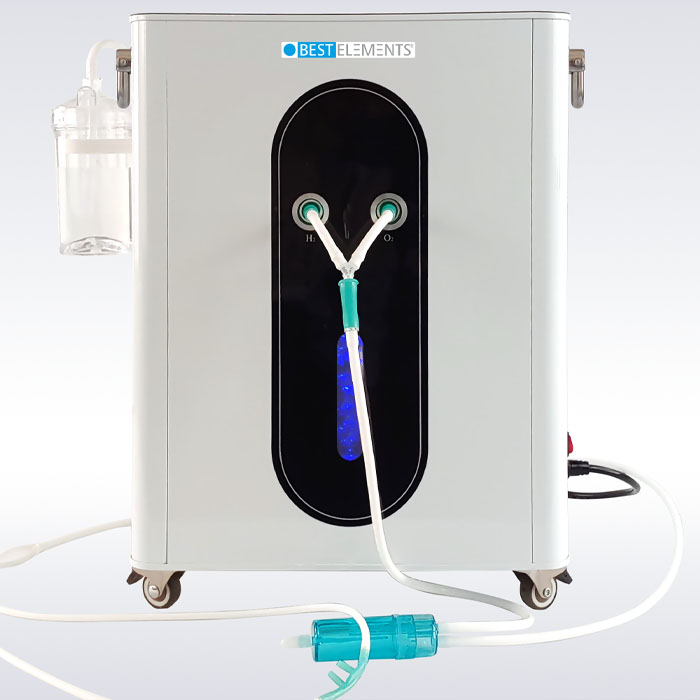
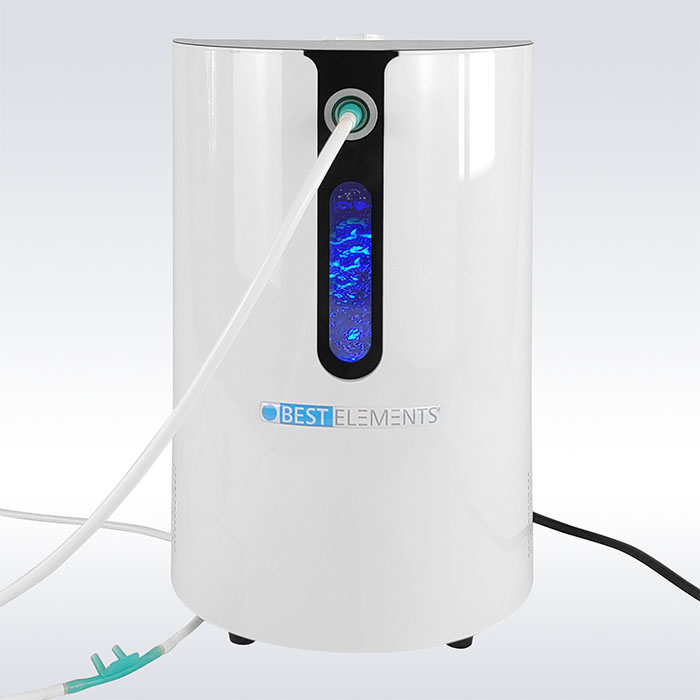
Here, an interesting connection emerges: While forests act as biological filters, BestElements focuses on technological solutions that purify and optimize water and enhance its energy through hydrogen enrichment. Both approaches—natural and technological—pursue the same core mission: clean air, clean water, and a healthy living environment.
This is precisely why collaboration between ecological initiatives like the Mountain Forest Project and innovative technology providers like BestElements can create valuable synergies:
- Strengthening natural filters: Every linden, oak, or hornbeam planted increases the natural filtering capacity of our forests—a goal the Mountain Forest Project has pursued for decades.
- Complementing technological filters: BestElements’ filter and hydrogen systems help people consume healthy, pure water in their daily lives—especially where environmental changes threaten water quality.
- Raising awareness: Both sides can work together to educate the public and strengthen the understanding of the importance of water and air quality.
- Promoting ecological resilience: Reforestation and modern filter technology create dual protection: for both people and nature.
Modern environmental thinking is evident at this very intersection: Natural solutions and technological innovations are not mutually exclusive—they reinforce each other.
35 Years of Commitment – and a Look to the Future
The Mountain Forest Project reminds us how much is possible when people take responsibility. Reforestation, restored streams, and revitalized peatlands are visible signs that nature can heal – when we help it.
At the same time, it shows that protecting our natural filters is more urgent today than ever before. And this is precisely where companies like BestElements can contribute: through technical water and air solutions that directly support people, while projects like the Mountain Forest Project safeguard the essential ecological foundations.
Together – natural forests and modern filter technology – this forms a sustainable path to ensuring our resources remain clean, stable, and to keep it livable.